
AI Design Effectiveness Fatigue: Why Identical Looks Fail
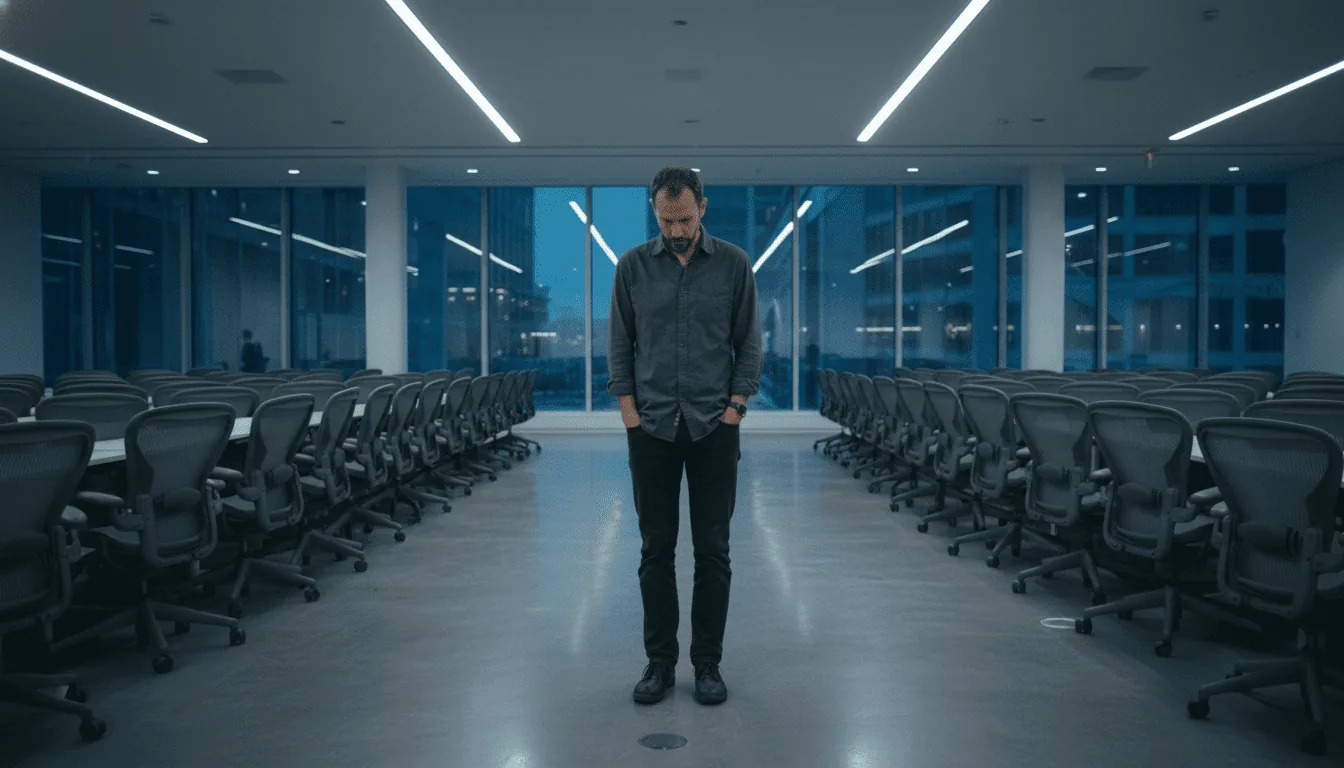
Your brand is disappearing into the visual noise. AI homogenization creates identical aesthetics across industries, causing consumer visual fatigue. When every small business uses similar looking AI generated images, consumers experience visual fatigue and stop distinguishing one brand from another, reducing advertising effectiveness. The solution is intentional brand differentiation through custom direction, style guides, and human creative input, not just prompting an AI and hoping for the best.
Why do identical AI designs fail?

The problem starts with the training data. AI image generators default to a homogenized aesthetic because they are trained on massive aggregated datasets. Simple prompts produce near-identical outputs regardless of the brand. A prompt for “modern coffee shop interior” yields the same warm lighting, exposed brick, and minimalist furniture for a local cafe and a global chain. The algorithm optimizes for the most common visual features in its training set, smoothing out the edges of individual identity.
This creates a feedback loop of sameness. As more users generate content with these tools, the visual landscape becomes saturated with these generic outputs. Consumers scroll past ads, engagement numbers drop, and carefully crafted visuals get less attention. The culprit is not bad design; it is visual burnout. Human brains are wired to notice novelty and tune out repetition. Your customers aren’t ignoring you because they dislike your brand. Their brains are filtering you out as redundant information.
According to a 2025 study by AlDahoul, Rahwan, and Zaki, AI-generated faces influence gender stereotypes and racial homogenization. This effect extends beyond portraiture to all visual assets. The algorithmic bias toward the “average” or “most popular” visual style erodes the distinctiveness that makes a brand recognizable.
The cost of visual sameness

Brand fatigue happens when your audience becomes mentally and emotionally exhausted from seeing the same visual elements repeatedly. Think about it like this: you hear your favorite song on repeat for three hours straight, and suddenly it’s not your favorite anymore. The same principle applies to your brand’s visuals.
The cost compounds over time. Not only do you lose immediate sales, but you also lose positioning in customer minds. Competitors with fresher visual identities capture the attention and market share you’re losing. The science is simple. Human brains are wired to notice novelty and tune out repetition. Your customers aren’t ignoring you because they dislike your brand. Their brains are filtering you out as redundant information, a survival mechanism that helped our ancestors focus on genuine threats and opportunities rather than familiar patterns.
Research shows people encounter thousands of brand messages daily, creating a psychological weariness that affects how consumers respond to marketing. When your brand stays visually static for too long, it fades into the background noise of modern life.
How AI homogenization affects brand identity
The issue goes deeper than just aesthetics. It touches the legal and structural foundations of your brand. From a trademark perspective, AI-generated artwork raises concerns of distinctiveness. The key focus of trademarks is to identify the source of goods or services. If your logo or visual assets look like everyone else’s, you cannot protect them.
The rise of AI-generated art raises various legal challenges regarding intellectual property, particularly about copyright in such works, while carrying trademark implications. Many artists are unaware that their work is being used directly to train large language models. The legal system has also failed to keep pace with this change, resulting in insufficient protection for creators and unclear rules in the art world.
When your brand identity is generated by a generic model, you are building on borrowed equity. You are borrowing the visual language of thousands of other brands, diluted into a single, unprotectable average. This is not a strategy; it is a liability.
Building a distinct brand identity
The solution is not to abandon AI, but to use it intentionally. Out-of-the-box AI is not built for your brand. You need AI that gets the difference between your look and everyone else’s. This requires a shift from passive prompting to active direction.
Here is how to break the cycle of homogenization:
- Define specific brand guidelines that go beyond color palettes. Include tone, texture, and composition rules that are unique to your company.
- Train custom AI models on your own visual assets. This ensures the output aligns with your established identity rather than the average internet aesthetic.
- Inject human creative input at every stage. Use AI for volume, but use humans for direction and refinement.
- Audit your existing assets for signs of visual fatigue. If your ads look like they could belong to any competitor, they are failing.
A 2024 MIT experiment found that subjects who used ChatGPT demonstrated less brain activity than those who did not. This lack of cognitive engagement translates to consumer behavior. When visuals are too familiar, the brain stops processing them as significant. You need to trigger that processing.
The path forward
Visual fatigue is a real threat to brand effectiveness. As consumer attention spans shrink, the cost of blending in becomes higher. You cannot afford to let an algorithm define your brand’s visual language.
The brands that survive will be those that prioritize distinctiveness over convenience. They will use AI as a tool, not a crutch. They will invest in custom workflows that reflect their unique value proposition. The difference between success and obscurity is no longer just the product. It is the visual identity that surrounds it.
Stop losing customers to visual sameness. Build a distinct brand identity that stands out. The time to act is now, before your brand becomes another piece of background noise.